
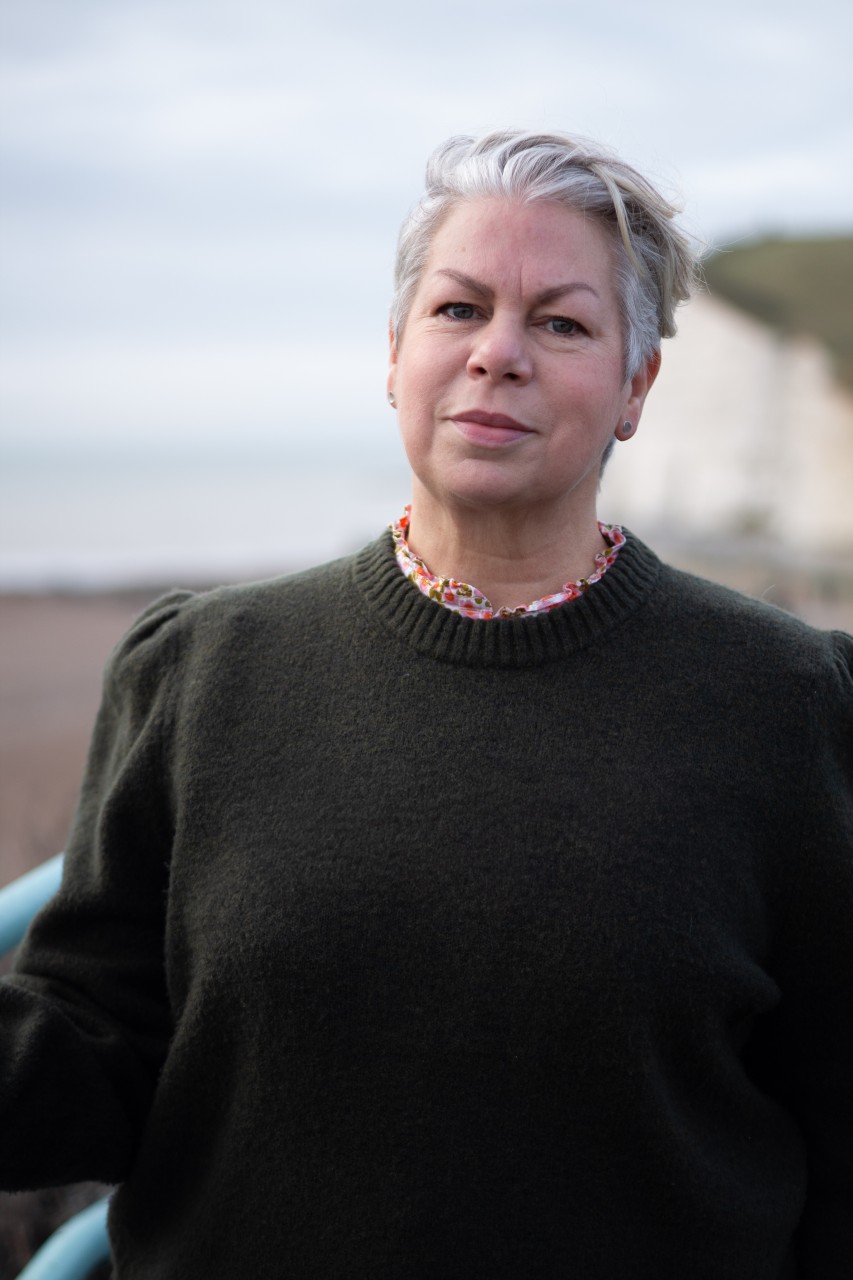
Rethinking Outcomes In Care
Children’s social care often treats “outcomes” as whatever can be counted: placement moves, school results, budgets, compliance targets. In this Secure Start Podcast conversation, Colby Pearce and Professor Lisa Holmes push back on that narrow frame and argue for trauma-informed care that starts with care-experienced voices. When we ask children and care leavers what matters, we hear about belonging, identity, relational stability, safety, loneliness, and whether they can picture a future. These are harder to quantify than performance indicators, but they shape wellbeing, recovery from trauma, and long-term life chances in out-of-home care.
A core theme is complexity. Children’s pathways through foster care, kinship care, and residential childcare are rarely linear, yet policy can behave as if one placement “causes” one outcome. Lisa highlights why systems thinking, including Bronfenbrenner’s ecological model, helps us see interactions across family, school, community, workforce, and wider policy settings. Outcomes unfold over time, and the same child can experience different quality in different settings. Measuring only what fits administrative datasets risks stripping away nuance, including disability factors, relationship continuity, and the lived experience inside a placement.
The discussion also challenges the cost narrative. Residential care is expensive, but “expensive” is not the same as poor value for money. When funding decisions chase short-term savings, programs get judged by the cheapest measurable outcomes, not by whether they build human capital. Human capital here means the skills, confidence, connection, and opportunity that flow into adulthood and even across generations. A child who gains stable support networks, education engagement, and hope may avoid downstream costs in health, justice, and welfare, but those benefits sit outside narrow agency budgets and timeframes.
Residential care is a focal point because it attracts stigma and binary comparisons with family-based care. Lisa argues for moving from placement type to placement purpose: why this placement, for this child, right now? Some young people explicitly do not want to live in a family household after family harm or repeated placement breakdown. Purposeful residential care can provide a pause, intensive support, and even help reunification when used flexibly. The episode also questions research that attributes poor adult outcomes to residential care without controlling for confounds like previous instability or the fact that residential care may be brief “dosage” in a long trajectory.
Finally, quality comes back to people. Good quality residential childcare depends on the everyday environment, a trauma-informed workforce, ongoing training, and high-quality supervision that helps carers hold complexity without burning out. When public discourse frames residential homes as “last resort”, it devalues both young people and the adults doing the work. The conversation ends with a practical signpost: an international summit on therapeutic residential care aimed at sharing evidence, practice wisdom, and care-experienced insight, with a focus on building a more accurate, hopeful narrative about what works.
You can listen to the listen to the podcast here:
You can watch here:
Lisa’s Bio:
Lisa joined the School of Education and Social Work at the University of Sussex in January 2022 as Professor of Applied Social Science. Prior to this she was an Associate Professor and Deputy Director of Research in the Department of Education, University of Oxford.
Over the past twenty-five years Lisa has carried out a range of research and evaluation projects, with a particular focus on the relationship between needs, costs and outcomes of services and support provided to children and families. Along with her colleagues, Professor James Whittaker and Professor Jorge F del Valle, Lisa is co-chair of the International Work Group for Therapeutic Residential Care and is a board member of the European Scientific Association On Residential And Family Care For Children And Adolescents (EuSARF) and the Association of Children’s Residential and Community Services (ACRC). In late 2017, along with colleagues at University College London and the University of Oxford, Lisa established the Children’s Social Care Data User Group. The group provides a forum to share expertise and learning between all users and potential users (academic, practice and policy) of children’s social care (child welfare) data.
Lisa has published a range of books and journal articles. Over the past two years she has presented her research in Australia, South Korea, Spain, Finland, Croatia, Lithuania and the US.
Transcript:
Colby 0:00
Welcome to the Secure Start podcast brought to you by the Secure Start Aura apps supporting trauma-informed care and practice at home and in school.
Lisa 0:17
Quite often, when we’re talking about outcomes, and I’m you know I’m thinking about within practice, within policy, is that we’re talking about outcomes that we can measure and we can count. Because my counter to that is our starting point should be actually speaking to children and young people and young adults and older adults who have experience of the care system about what outcomes are important to you, what should we be thinking about? Quite often what we are missing are outcomes as they relate to relationships, financial readiness, uh thinking about all of the things as parents we focus on teaching our children and actually thinking about hopes and wishes and how young people feel about where they are living and what their hopes are for the future. One of my frustrations when we look at the the kind of public and media rhetoric around children’s social care is the focus on the negative, and yeah, absolutely, we should call out bad practice, we should call out where things are not working, but ultimately I don’t think we balance that enough with actually these were some of the aspects that really supported a young person, and we you know, I think we need to raise up that rhetoric so that we can learn from what has worked well rather than fixated on this is the problem that we need to solve it. So it’s it’s kind of reversing that thinking, so it’s not either or I think we really need to have both. It is expensive, but that doesn’t mean to say it can’t be good value for money. However, all the time we just focus on residential care bad, it will be a placement of last resort. We are then not looking at or exploring or understand where there is good quality residential care, where there is really good practice, where there is absolutely those opportunities for human capital. And then when we start to think internationally, is we do have examples where residential care is seen much more as an intrinsic part of child welfare systems, where it’s seen as okay, well, we are using it for this purpose. And so I suppose for me, I’m sorry, it’s a very long-winded answer now, is how do we actually take what we know and try to again shift that rhetoric from binary comparisons of the placement type to think about what’s the placement purpose and what does this child, young person, need at this point in time, and also what does quality residential care look like? Many of those outcomes are when there are poor longer-term outcomes, they are attributed to residential care. Um, but I don’t think there is enough controlling for the point at which residential care is used, is actually how do we create the quality within the everyday lives of children and young people, and how do we make sure that that is then mirrored across the system rather than just being within a singular placement, which might mean that a young person has quality care and a really positive experience, which we absolutely want, but if it’s really short term, then how do we make sure that the wider system and other placements and the whole experience is mirrored? Can we change the narrative from placement type to placement purpose? What is the purpose of the placement? What does the young person want? What does the young person need? Not less have an ideologically based uh decision-making process that is also driven by cost.
Colby 4:12
Welcome to the Secure Start Podcast. I’m Colby Pearce, and joining me for this episode is an internationally recognised leading academic in the field of residential childcare. Before I introduce my guest, I’d just like to acknowledge the traditional custodians of the land that I come to you from, the Ghana people of the Adelaide Plains, and acknowledge the continuing connection the living Ghana people feel to land, waters, culture, and community. I’d also like to pay my respects to their elders, past, present, and emerging. My guest this episode is Dr. Lisa Holmes. Lisa joined the School of Education and Social Work at the University of Sussex in January 2022 as professor of applied science. Prior to this, she was an associate professor and deputy director of research in the Department of Education at the University of Oxford. Over the past 25 years, Lisa has carried out a range of research and evaluation projects with a particular focus on the relationship between needs, costs, and outcomes of services and support provided to children and families. Along with her colleagues, Professor James Whitaker and Professor Jorge De Valier, Lisa is co-chair of the International Work Group for Therapeutic Residential Care and is a board member of the European Scientific Association on Residential and Family Care for Children and Adolescents and the Association of Children’s Residential and Community Services. In late 2022, along with colleagues at the University College London and the University of Oxford, Lisa established the Children’s Social Care Data User Group. The group provides a forum to share expertise and learning between all users and potential users, academic practice and policy, of children’s social care, child welfare data. Lisa has published a range of books and journal articles. Over the past two years, she has presented her research in Australia, South Korea, Spain, Finland, Croatia, Lithuania, and the US. Well, welcome, Lisa, to the Secure Start Podcast. It’s been quite a chase for me to get you on here, hasn’t it? And uh uh I’m really pleased to to have you here today.Lisa 7:12
Yeah, thanks, Colby. Really, really delighted to be with you today. And I’m sorry it’s taken a while, I think. As you know, it’s my first podcast, so a little bit of a build-up for me, but really looking forward to it.
Lisa’s Path Into Residential Care
Colby 7:24
Yeah, so it’s one of those things where um uh I I I’m anxious about it sometimes as well, of course. And and uh um some of our guests uh on on the podcast would probably talk about projective identification. And uh I’m not sure which of us uh projecting sometimes, which one which one of us has got the projective identification, but anyway, it it hopefully um very quickly we’ll both relax into it and it’ll all proceed well. I just wonder, and I do this with all of our guests on the podcast. I wonder if you can just uh tell us a little bit about how you became interested in uh residential childcare.
Lisa 8:13
Uh yeah, so um I sometimes talk about this as um a bit like going into the family business. Um so I grew up in the 1970s with both of my parents working in children’s homes. And my um early childhood and some of my most pivotal memories were about spending time in my summer holidays in the grounds of the children’s homes, and we went on holiday as a family with um all of the kids from the children’s homes. Um and I did volunteering work throughout my adolescent years with children’s services, doing youth work, support work. Never really saw myself as having an academic pathway, which feels a little strange where I am now, um, and was wondering what to do, and ended up applying for a job to work in a local authority children’s home, got the role, and um that sort of really then sort of piqued my interest even more so, actually, in terms of working in a children’s home, and really starting to understand the young people in a in a different way. And I wasn’t that much older than them, but really starting to think about their their trajectories into living in children’s homes, and then um having some of those really poignant conversations with them about their hopes or lack of hope for the future.
Colby 9:46
Wow, what an incredible pathway having um yeah had that direct kind of immersive experience in residential care from yeah from such a an early age. Yeah, yeah.
Lisa 10:02
And I guess it’s been part of my life, in all of my life really.
Colby 10:08
And I I guess I’m I I think about um I often think about in my own work and what I’ve learned working in the uh social care space and child protection space for the last 30 plus years, I I often think of uh the young people I’ve met along the way as been being my greatest teachers. And my own children, of course.
Lisa 10:34
Yeah, absolutely. Yeah, and there’s I think there’s uh when I look back, there’s certain young people and conversations, both in terms of when I was working in um a children’s home and then throughout my research, having been an academic for 26 years now, is that there are projects that have done over the years, young people that uh I’ve spoken to in children’s homes or in fostering placements and had those conversations with them as part of research that again have just they’ve stayed with me.
Colby 11:09
Yeah, yeah. And how else would we know the work as well as we do if we actually didn’t sit down and interact with and speak with young people? I mean, um that that really is the way of of of getting to the heart of of um of their experience. Yeah. And I I wonder also I um about other other influences beside the uh the the children and young people themselves that have really informed your you and your work in this space.
Lisa 11:45
Yeah, and I think um I mean that’s obviously very much coming from you know my own upbringing and um with the young people. And as I’ve already mentioned, I you know, I’d never really sort of seen myself on an academic pathway, um, but went off to do uh an undergraduate degree in in psychology and absolutely fell in love with doing research. And I think for me, in terms of then my academic career, um, at the time I had no idea as a sort of very young, naive, um sort of fledgling academic, is my first ever academic position was with Professor Harriet Ward, um, who has been doing so much work on outcomes for children in care and children’s social care more broadly. Um, and she still 26 years later is one of the key people that I would go to if I have a question or if I just want to have a conversation about the work, and and she really has inspired me in terms of the research, but has always been there as somebody as a really sort of genuine mentor. Um, and then you know, I’m not going to give you a whole long list because I’ve been so many people over the years, but I’m also um when I think about my career over the the last 26 years, is Harriet also introduced me to Professor Jim Whitaker. Um, and we were at a conference, and Jim and I managed to find 20 minutes together in 2012, and um saying yes to Harriet that I’d meet with Jim for 20 minutes to talk about how we might do some work together around residential care feels like um one of the best decisions I’ve made in the last 26 years, and um I feel really fortunate now and the stage I am in my academic career that I still have regular contact and and counsel as such with both Jim and Harriet.
Colby 13:50
Yeah, yeah. I was thinking about Harriet, and I was thinking about the number, as you said it, the number of guests that we’ve had on the podcast who have talked about um perhaps what one of their first direct professional influences, you know, the the their first supervisor, their has come up over and over and over, and um uh which has been a really good thing to kind of have almost documented on this podcast for listeners because it reminds people in a leadership role of how uh influential they can be over the career trajectory of of um uh people who come to work with them.
Lisa 14:32
Absolutely, and I think for me um both Harriet and Jim epitomize, I mean they are both amazing academics, but it’s the the principles behind the ways in which they work around kindness, integrity, um, and you know, always being there to support others, to to lift them up. And that’s how I always felt was that you know, essentially off you go, but you’re always being held and supported, and that’s what we that’s what we all need in life.
Systems Theory And Embracing Complexity
Colby 15:03
Yeah, some call them containing relationships. And uh um I I learnt a new term very recently, talking about containment with another guest, um, epistemological containment. And uh and it like it was just like such a light bulb moment because I thought about when I first went to work as a clinical psychologist, my first appointment, I was on my own in an in an office in the a child protection office in the outer northern suburbs of um of Adelaide, the the city I live in, uh which was a um quite a disadvantaged, compound disadvantaged population, which yeah, cause a lot of a lot of complexity. And um and attachment theory became my source of uh epistemological containment because it it it made the the unmanageable feel more manageable in a way. Yeah, yeah. And I wonder if there’s any been any particularly influential theoretical orientations for you along the way as well.
What We Misread About Need
Lisa 16:13
Yeah, absolutely. And that feels really quite um timely, Colby. Um, so throughout my work, um, I’m really thinking about um children’s social care. I’ve for years highlighted, I think, and and have probably bored some people about where people say, well, children’s social care systems are too complex, um, and we need to sort of focus and we need to compartmentalize. And my counter to that is yes, they are complex, but we have to embrace nuance, we have to embrace complexity, and we have to find a way to try and make sense of that. And I think for me, um, and like so many other people, is Yuri Brom from Brenner. And I, you know, I use that so much in terms of my thinking about the ways in which children, their carers, their keyworkers, their families, the whole system of the ways in which they interact and really trying to understand that complexity of the interactions, recognising that interactions change over time. And um you will be very familiar with, and I know I’ve had conversations with the wonderful Martha Holden, and at the moment I am on sabbatical, and last month I was um absolutely delighted, and um, I’ve come away feeling in inspired of actually spending some time with Martha, who is based at the Bromford and Brenner Centre at Cornell University. And you know, again, for me, it just felt like being able to spend just a short period of time during my sabbatical at the Bromford and Brenner Centre at Cornell with Martha Holden and her team, um, just felt like such a wonderful opportunity to really, I suppose, not just use that as a theoretical foundation, but to live that for a very short period. So um, yeah, I think I’m at this point in time I’m still on a sort of that sort of um upward feeling of having been there uh and really being able to to think and talk about my research.
Colby 18:21
Yeah, yeah. And speaking of your research, you’ve you’ve been really interested, as I understand, in the in outcomes for children in in out-of-home care. And I I guess one of the one of the first things that um I’d like to ask you in relation to that is it relates to I guess what what do you think we misunderstand about what children in care actually need?
Lisa 18:50
Yeah, I mean I think my starting point for this would be that quite often when we’re talking about outcomes, and I’m you know, thinking about within practice, within policy, is that we’re talking about outcomes that we can measure and we can count.
Colby 19:05
Yeah.
Lisa 19:06
Um and or that we’re answering a kind of um along the lines of performance indicators. So um we count stability. So is a child moving from placement to placement, how many placements have they had? And yes, we want to reduce instability, um, but in terms of outcomes, is I suppose my counter to that is our starting point should be actually speaking to children and young people and young adults and older adults who have experience of the care system about what outcomes are important to you, what should we be thinking about measuring? Because actually it’s much more about recognizing that pathways are not always linear, and this is where I get frustrated quite often, where we see some research that attributes certain outcomes to certain placements, but without really recognising the complexity of everything else that’s going on and also the timing of outcomes, and it as I say, it isn’t linear. So I think for me, when I’m I’m talking about outcomes and outcome measurements, I I mean I use a lot of the outcome indicators that we have because they are usable for research, but we really um need to focus on outcomes that are meaningful, and I’m doing some work at the moment with um young care experienced adults, and where we are looking at the outcomes as they are measured by the government in England and actually what is meaningful to them, and there is absolutely an overlap. Um, but quite often what we are missing are outcomes as they relate to relationships, financial readiness, uh, thinking about all of the things that as parents we focus on teaching our children um and actually thinking about hopes and wishes and how young people feel about where they are living and what their hopes are for the future.
Colby 21:14
Yeah, yeah. And I think um yeah, education would be another one, wouldn’t it? Stability, education, um cost, uh I guess is is an outcome measure that’s used in this space. But it goes back to something that that I said a little bit earlier, which is you know, how do we really know the the the sector unless we talk to the people in it, we talk to the children. Um and um what I’m hearing you say is that there are if you talk to them, there are other outcomes that are probably a lot more meaningful and important to them that are much harder to quantify and identify in a in a um yeah in in numerical form as such. And I’m I’m thinking you probably uh so you mentioned uh relationships and and and probably you know connection um you mentioned preparedness for adulthood um I guess a sense of belonging and a sense of identity okay some of our guests um my guests would have said you know we’re we’re seeking integrate this in kind of the more psychodynamic language integration you know an integrated identity for these children yeah I want what else what else are there other things that you think that I haven’t mentioned you haven’t mentioned so far that you think are really important things that we need to be thinking about in terms of outcome yeah well I think I I mean it’s again it’s the the interrelatedness isn’t it so it’s also thinking and when I talk about relationships again it’s not just about counting the relationships but I think for me it’s about thinking about how our systems and our child welfare systems tend to be quite rigid.Lisa 23:05
So a child the expectation is that they move on from a placement or they move on from a school and then therefore all relationships are are severed but actually again thinking about their their family and the reasons why they came into care is that sense of identity belonging comes from knowing who you are, what is happening to you a sense of agency because again you know I think this is other things is you know thinking about a young person’s agency around the decisions that are being made about them and really then thinking well actually can we look at this in terms of the relational stability because that’s how we achieve better identity and belonging and linked to that is thinking about support networks. So we’re avoiding excuse me loneliness. And yeah absolutely education but again I think what quite often happens is that with education we focus on education attainment and yes we know that in terms of social mobility we know in terms of um future employment is there is a being able to reach standards that are nationally identifiable in terms of education attainment but for me it’s beyond that it’s about educational engagement educational enjoyment it’s also recognizing that if you have an awful lot happening in your life and you are experiencing care you might be experiencing instability is what needs to happen so that those foundations are there to be able to achieve in education and actually young people need to be able to be supported to engage in meaningful education before they can reach that attainment. And I think it’s also about um and I you know I mean again in terms of measurement aspiration so again we quite often talk about young carelavers whether they’re in education employment and training and some of the work that we’re doing at the moment it’s not just about whether you’re in education employment and training are you in or on a pathway that is taking you to the education employment or training that you want to do not just so that you are earning money. So it’s really about again comes back to hope and aspiration for for the future and that is so much more difficult to measure but that doesn’t mean to say we shouldn’t be focusing on it.
Colby 25:35
I’m so glad that you’re saying that in relation to hope because um I do you know our children should uh have hope of having uh an ordinary life one of my previous guests twice over uh Della Holmes she she describes it as the great aspiration of children in care is to have an ordinary life um something else that you said in there that I think is really meaningful here to perhaps tease out a little bit is that we we often we have a goal and and I was talking about this recently to someone um where in in a particular work environment they have the goals that they’re looking for kind of like the the um the aspirational goals and then they have the outcomes that they think are are are linked to the goals. And what what they don’t have is the bit in the middle which is what does a child need to be able to you said it with it what does a child actually need to be able to realize those those goals those aspirations for them and demonstrate those outcomes that that’s one part of it.
Lisa 26:53
The other part of it of course is well what do we do what do we do to support those foundations for the for the young people yeah absolutely and I think it it’s it’s quite often what we see and I think I’ve seen this happen more and more so over the last 10, 15 years well probably longer than that now actually is as we’ve seen austerity globally and we see that you know systems are really struggling um is that then when new programs or interventions are being developed it’s very much about we’re going to do this and this is the outcome that we’re trying to achieve absolutely that bit in the middle about how it is experienced is not always giving us the most clarity. And also the the outcomes that tend to then get attributed to whatever that activity is or what the aims are are again the outcomes where people get fixated on we’re going to save money. And again it’s very much about well this would be cost effective and then what quite often you see is the measurement relates to those where you could see the biggest savings.
Colby 28:08
Yes that becomes the primary researched outcome.
Lisa 28:15
Absolutely and it becomes the the primary driver and we see this with so many policies as well is if we do this how much money are we going to save?
Human Capital And The Cost Trap
Colby 28:25
So what you what what I’m hearing you say is that essentially you cost there are the outcomes are costed. Yeah and perhaps the most uh cost effective or inexpensive even outcomes are the ones that get the funding yeah or that we have um we focus on the short term so can we save money under the in the short term was actually again going back to what we were talking about with children not having linear pathways that we don’t necessarily see immediate outcomes sometimes these think things take time is quite often what we see is a a short term focus on well you know within a year or two years how much money is being saved what’s the cost effectiveness of this rather than the longer term yeah and also I suppose associated with that is recognizing that um you know who is making the investment as such so which part of our public sector are funding these aspects of the work but then actually if the savings are some way downstream then how do you marry that up in terms of these are the different agencies that uh and so again it’s this this need to really think about the public sector and the public purse as a whole rather than in silos. And I think you’re also getting into uh it’s interesting so a number of my early guests had backgrounds in economics before they went into uh into this kind of space and um and we found ourselves particularly with Graham a fellow by the name of Graham Kerrige talking about human capital. And I I think that’s what I’m hearing you say is the the investment should not be in you know this program costs X, this one costs Y. So we’ll go with this because it’s cheaper uh than Y. The in the the we need to be taking a longer term view about build growing human capital and thinking about things like inter intergenerational disadvantage and trauma um building building capital so that human capital so that um generations to come. I always I think that the work that we do with the child in front of us not only hopefully is of benefit to that child but it’s of benefit to their life partner and their own children and potentially their grandchildren as well that that that work we do. So what you can apply that I think in costs in in service provision and thinking about cost but that the work that we do it’s you know it has that that much longer term if you take that human capital view it has so many down the stream benefits that ultimately are savings.
Lisa 31:32
Yeah absolutely and I think and that human capital can spread so again you know it’s yes absolutely agree with you in terms of next generations of that family but also in terms of who we interact with as adults and you know we we started off our conversation today by talking about people that sort of inspire us. And so again it’s the sort of being able to have those examples of where something happened differently and essentially the trajectory was uh you know a much more positive trajectory into adulthood and that human capital and taking that learning to think about actually this is what we should be doing. And I think one of my frustrations when we look at the the kind of public and media rhetoric around children’s social care is the the focus on the negative and yeah absolutely we should call out bad practice we should call out where things are not working but ultimately I don’t think we balance that enough with actually these were some of the aspects that really supported a young person and we you know I think we need to raise up that rhetoric so that we can learn from what has worked well rather than fixated on this is the problem that we need to solve it. So it’s it’s kind of reversing that thinking so it’s not either all but I think we really need to have both.
Colby 32:59
Yeah in talking to you it strikes me that um we just that funding bodies perhaps and I’m not intending you know intentionally wanting to hammer funding or policymakers or those those of that ilk but maybe maybe we sometimes get drawn into uh focusing over much on some outcomes that really are not are not meaningful for the young people and do not don’t build that human capital that hope that belief in their deservedness of an ordinary life their capacity to make and maintain mutually satisfying relationships and to be inspired and as you were thinking talking I was thinking about we we prior to our starting recording we were talking about Robbie Gilligan and uh when I had Robbie on he was talking about yeah talking about the influence of extrafamilial adults who inspired young people who who took them under their wing who helped them out and and and and in doing so facilitated that path a trajectory for them.
Lisa 34:16
I also think about just one other person I I think of uh Louise Allen I don’t know if you’ve come across yeah come across Louise she’s foster carer there in in um in in the UK quite quite visible makes herself very visible and she she also talks about um some of her her her other things that she do does is around you know moving the the girls that that um she works with out of poverty into into career pathways out of poverty and gee once I start telling these stories then you get to Kieran Modi who’s done that yeah at an awesome scale in in India yeah yeah yeah and and we all have those people don’t we I think it’s it’s about absolutely those people that help to lift us up there’s those people who believe in us that then help us to move to a position of self-belief um which again you know as you were talking about Robbie and Louise then and those other people in our lives that’s why I sort of think back to relational stability is what is it within the the the children social care the child welfare systems who are those people and how are they involved in young people’s lives that they can absolutely be there and and we see it so much within society I mean it’s such a a common phrase that we use around it’s it’s not what you know it’s who you know and again it’s like who are those people that give us those opportunities who are the people who inspire us and maybe going off on a little bit of a tangent but again thinking about who inspires us and having spent you know a few years working in a a children’s home um I really wasn’t quite sure what I was going to do and I went I really enjoyed working with young people um and I went and spent a few years as a nanny and I started to live a very different life and had very different influences and that’s what inspired me to go to university. I was first in family so actually as a first generation academic it was not something that as growing up any of us ever talked about. So all of a sudden and so again it’s thinking about people who you come across who unexpectedly just kind of tilt your pathway in in a different way and I think you know had I not had that experience of you know being a nanny which is seen very much as a kind of service industry um had I not met that family would I have ever gone to university and you know what would my pathway look like um as I say as a sort of first generation um going off to to university.
Colby 37:12
Yeah yeah look it it it it’s what the impression I’m getting based on our conversation is it’s not too far fetched to be saying that the goal that we’re really trying to achieve for our young people is is quality relationships. I’m gonna make a bit maybe I’m making a bit of a leap here but I think there is a bit of a link here that you know the type of care that you’re interested in and and we we’re talking about just happens to be the most expensive form of of care of young people. So it’s already um kind of um put into the place of the option of last resort. You know we will do anything before we we place a child in a residential care environment because that is costly but also that is a poorer or lower there’s a lower standard of care in in that environment. And but it strikes me that the child has a totally different relational experience in residential care where there’s often a number of adults often younger adults who are more identifiable for young people I’m not going to answer my own question but what I I I think that this yeah if we tilt it a bit and we think about relationships as being more important growing human capital as being more important. I wonder then how we think about the cost and the place of residential care in the in the in the in the spectrum of care.
Lisa 38:55
Yeah absolutely and I think um you know there’s there’s no disputing residential care is expensive. And I remember evaluating a model of residential care here um and then standing up at the the final event and the first thing I said is that you know it’s expensive and you can see everybody’s faces. Where is she going with this? It is expensive but that doesn’t mean to say it can’t be good value for money. Now not all residential care is good value for money. But I think the other and I come back to my earlier point about complexity and nuance and I think what frustrates me is quite often when people are talking about residential care we get very fixated on a binary comparison which is focused on placement type as if residential care is a homogeneous placement. Whereas actually residential care is hugely variable. And I can’t sit here and pretend that there isn’t really bad practice in residential care and there absolutely is and some young people have really bad experiences they are exploited. We know that there’s lots of historical reviews and inquiries however all the time we just focus on residential care bad it will be a placement of last resort we are then not looking at or exploring or understanding where there is good quality residential care where there is really good practice where there is absolutely those opportunities for human capital. But I would also say quite often when we’re talking about that I do feel like it’s very much about sort of swimming against the tide and I think as an academic looking at this I feel that and then I stop and think about actually for young people and again and we focus on the rhetoric within our societies is uh quite often we’ll see it in the media here about um you know residents are putting objections into a new um residential a children’s home opening because of the the criminal contagion and they’re scared for their own children they don’t want the residential children’s home within their community this is a placement of last resort and I I find that really frustrating so I then just try and think about actually if you are a young person who knows you are going to live in a children’s home and all around you the rhetoric is this is a placement of last resort this is where we place children where we don’t know where else to to for them to live these are the placements that nobody wants within their own community is how do you experience how do you feel as a young person that that is going to be the next place you are going to be living and how do you move from that to something where you can develop human capital because actually that starting point is so negative and then when we start to think internationally is we do have examples where residential care is seen much more as an intrinsic part of child welfare systems where it’s seen as okay well we are using it for this purpose and so I suppose for me I’m sorry it’s a very long-winded answer now is how do we actually take what we know and try to again shift that rhetoric from binary comparisons of the placement type to think about what’s the placement purpose and what does this child young person need at this point in time and also what does quality residential care look like what is the environment who are the workforce what is the the everyday lived experience yeah yeah I want to get you’ve asked those questions I was going to ask them we’ll get to them in a moment but I I not only think about the children like the children’s image it was Paul Van Hiswick recently who who brought up a quote from um Winnicott which is I look and I am seen so I exist I look and I am seen so I exist and very much that idea of mirroring you know the adults around the child being mirrors for the child you know of um how how you know how they look to the child is becomes their their and I I came at that that idea not from Winnicott but from the symbolic interactionists and uh the idea of the looking glass self uh through my through my education and um um I so I I also I worry a lot about the adults I you we I worry when when people come out very negatively in the media for for example or even just that that attitude that permeates down through organized.
Colby 44:01
where where everyone knows that this is not this is the option of last resort. I just we devalue the those adults as well. And those were adults are working with our my some of our most vulnerable children. Like why would why would we do that? Why would we devalue the work of those adults?
Lisa 44:23
Yeah absolutely and and that’s it is we’re not investing in the workforce because again if all the time the rhetoric is this is a placement of last resort. And as you’ve already said Colby these are are the children in our society society with some of the most complex needs and several years ago I wrote more of a kind of debate think piece with um the wonderful Christopher Baloncy who’s done a lot of work with with Jim Whitka, Jim Anglin and others in uh the US and North America is that actually um and we called it the the greater needs the lesser the evidence. Because actually in terms of residential care quite often the studies are either really small scale or they are um the the longer term measurement of outcomes where they’re being attributed to residential care which might be a very short intervention and we get that sort of that usual rhetoric of residential care leads to all of these poor adult outcomes. But actually what we’re not getting is that real investment in doing the research about the workforce what it is to work within um children’s homes and again you know going back to to Martha Holden and the work that the residential childcare project have been doing for so many years about really recognising the workforce those working in in residential care and the need for training and not just qualifications before you start working in residential care, the ongoing training the support understanding trauma understanding the needs of young people um and then the the other aspect of that as well is what we do know from from the literature and the evidence is the importance of high quality supervision and recognizing that the workforce they can’t just hold all of this they need to have those outlets and they need to be supported so that they can work well with the young people.
Colby 46:33
Yeah yeah and as a little aside I feel exactly the same way about our child protection workforce as well you know um the work they do is is so incredibly complex and and they are you know they’re beaten around from pillar to post really in a figuratively you know they’re they’re unsupported they’re often criticised they’re damned if they do damned if they don’t and uh yeah I I I just I can’t see that there’s any good that comes out of this for children those people who are banging the drums for the children. Yeah yeah very much so um for the adults I was thinking a little bit about those questions that you you put up put forward a little bit earlier one was one was about per oh I was thinking purposeful understanding the purpose of residential care and being purposeful about it and I was also thinking about and I’m talking too long now and I’m gonna get wrapped over the knuckles by my supervisor but um I was thinking about how there there are children in the system where it should be an option of first resort. And I think particularly about the children who have been deeply hurt in in within families who for who need a break from a family environment. And there’s research I know that that suggests that they don’t want to be in a family environment. They’d rather be in a congregate in environment.
Lisa 48:11
Yeah and and again you know thinking back to um some of the the young people involved in research I’ve done over the years is I still remember very early on in my career interviewing a young girl living in in a a children’s home and for her she absolutely did not want to be in a a fostering household. And and again it comes back to yeah who is speaking to the young person when a placement is needed at that first entry to care and and also I think the the use of residential care placements to support reunification because again it’s sort of understanding why why is why is the child the child coming into care and again because we get fixated on it this is really expensive but actually if it’s short term has anybody sat there and said well actually for this young person and for this family and what they are experiencing at this point in time a short placement in residential care can then support reunification. But again I think we could it’s this sort of thinking of the the linear pathways rather than being able to do things flexibly and again that’s partly because it would be expensive to do it in that way.
Colby 49:34
In the short in the short term in the short term yeah absolutely and I think I totally it’s like you’re reading my mind I totally agree with you I think I I think that um use residential care can be used purposefully to in support of family reunification. Yeah yeah and um and yeah and I just yeah I I guess that’s that’s one of the things I’d like to see more and more happen in my local jurisdiction and even if I can find some jurisdictions who do it that way I’d love to have them on here on the podcast. One thing I did that did come across my mind again while you were speaking was um the research on outcomes and I wonder to what extent does it control for the confound so I’m talking about the ones that compare foster care versus residential care. How much does that research control for the confounding influence of the children having been in foster care before they went into residential care?
Lisa 50:35
Yeah I mean I think for me I don’t think that it does sufficiently and I think again um I come back to some of my my earlier points is um many of those outcomes are when there are poor longer term outcomes they are attributed to residential care. But I don’t think there is enough controlling for the point at which residential care is used. I think the other thing that I have found frustrating and again I think you know every time we’re doing some research and we’re learning we have to take that learning and think about okay well what has it helped us with and what else do we really need to understand in more detail? But equally when some of those longitudinal analyses that maybe go back to the 70s and 80s etc are looking at adult outcomes my question there is not only about exploring confounding variables like the previous placements but also recognizing that children’s residential care in the 90s and 70s and 80s looks very different to residential care now. And so you know I don’t I just don’t feel like there is enough consideration of that wider context and all of the I suppose within and I use our administrative data sets they’re a great resource for research but there’s some research questions that they can’t answer because they don’t have either sufficient information about um the care pathway prior to residential care or they don’t have sufficient information. So for example quite often within administrative data sets we don’t have good data about disabilities. And again if we think about children with diagnosed disabilities um the use of residential care is very different. So it it I suppose it’s I come back to my point without wishing to sound like a broken record about nuance and complexity is when we start to do some of those studies where we’re focusing on the variables that we can use for the long-term analysis that we can count that we can compare is how much of that nuance and complexity is being stripped away and what is being lost in those analyses. And I’m also just thinking in terms of your future guests, um Professor Rick Hood, who’s based at University of Kingston in England, I don’t know if you’ve come across his work. But he’s doing some analysis at the moment which I think is um is going to be great in terms of helping to build some of our knowledge around this so that’s my recommendation for you to have Rick on at a later point.
Colby 53:33
Okay now I’m just aware that the sun is going down here and it’s suddenly getting dark. I’m just gonna go and put a light on and I’ll be in a moment. Sorry about that. I’d hate to think that there’s a comparison being made between foster care and residential care in which um some of the the the the young people in the residential care group have been through three or four or five or ten or twenty or thirty or fifty family-based placements before they got there and then we’re saying well residential care is of is clearly the lesser care option here.
Lisa 54:11
Yeah absolutely and I think it’s also about um and I remember doing some longitudinal analysis probably sort of 10-15 years ago um and at the time looking at it was a it was a it was an intervention in foster care but looking at the the length of time the the children experienced it um and we ended up as we were doing the analysis and we were trying to make sense of the data we ended up using the term dosage which isn’t something I would ordinarily use in terms of children’s social care and the dosage of a particular way of working or placement but actually what we were finding in terms of trying to attribute outcomes is that most children had experienced that very specific type of placement for less than a month. And so again if we’re thinking about trajectories pathways through care systems if you have got children who have experienced foster placement after foster placement and then a residential placement and then maybe they move back to a foster placement is how like how long are each of those and actually are we trying to attribute an outcome to a specific placement which might be very short or are we trying to attribute outcomes to what their trajectory looked like in terms of the amount of instability that they have experienced and actually just this whole pathway of moving between the different types of placements and we go back to the earlier conversation we had about identity belonging relationships is how do you have any of that if your life is spent moving between all of these different placements and then throw into the mix children also changing school is you know actually how do you just put a pause on that type of pathway to help that young person to say well this is not good enough and how do we actually get everything in place to change this?
Colby 56:19
Well maybe I think maybe that the I don’t this is not necessarily a criticism of of you or because it’s not me not what we’re talking about here but I do think that um what we need to be doing is looking not looking at comparing foster care and residential care. We need to be looking at what the children need. Yes and how are we how and how are we realizing attainment with the care options that we have and which are the and with the care options that are most appropriate to their needs.
Defining Quality Residential Care
Lisa 56:58
Absolutely and as I mentioned earlier is it’s the the starting point is what is the purpose? So why are we making this decision for what purpose and you know again quite often when we have sort of wider discussions and debates we focus on sustainability we focus on um placement availability and actually if it’s availability of placements that’s driving decision making rather than needs. So it’s you know for me it’s about the children young people’s needs and it’s about the purpose of that placement. But that’s you know I mean I suppose it’s very easy for me to sit here and say that when I’m not living this as an everyday kind of practitioner or manager. It’s not easy and I think we’ve reached that point at the moment where we know from the analysis that so much more of the the money around children’s social care is going on late intervention because it’s shifted because we’ve been so much more reactive we know that um money is not being used effectively where it’s going off to private providers where they are not reinvesting back into the child welfare systems. So that context is really difficult but again it kind of comes back to if we just focus on what’s difficult, we lose sight of the children. Yeah yeah well so what does good quality residential childcare look like so yeah so um am I am I allowed to do a bit of a plug for the the international summit that we are hosting on this. Yeah absolutely um so yeah absolutely and I think that um the our international work group on therapeutic residential care that I co-convened with Jim Whitaker and Jorge de Valier um we along with our much wider group and I’m not going to name everybody is we have been trying to focus on residential care, what constitutes quality and that is trying to focus on the environment it’s to focus on the children’s experience but also the workforce and so we are hosting an international summit here in sunny Brighton in in England in September to really try to open up those conversations and to look at the latest evidence to have input from practitioners to have input from young people who have experienced residential care to all come together to think about okay well what are those different components around what constitutes quality and we know some of it but again it’s about how does this all come together within the context of those wider systems and then you know I come full circle on the podcast to you know having talked about Ron from Brenner and thinking about that wider context is is actually how do we create the quality within the everyday lives of children and young people and how do we make sure that that is then mirrored across the system rather than just being within a singular placement which might mean that a young person has quality care and a really positive experience which we absolutely want but if it’s really short term then how do we make sure that the wider system and other placements and the whole experience is is mirrored and I, you know, as I say that it feels quite ideological but it doesn’t mean to say that you know we talk about aspirations for young people and I think for those of us whether we’re academics practitioners or policy makers working in the field that surely we should have aspirations for how our work could try to drive things forward for the future.
Colby 1:00:43
Absolutely and and and when you were talking going through each of those groups I was thinking parents as well and I was thinking I was thinking um we we we should you you touched on this a little bit earlier you uh which is that we should be thinking about outcomes for the children the outcomes that we should be looking at are the same outcomes that we would apply in our own families with our own children. And that that transcends kinship care residential care foster care foster adoption it it trans it’s just it it is what we want is for them to have a a healthy growing environment that supports them to achieve to their potential to heal where they need to heal. And we need to get away from yeah it seems to me we need to get away from um a fixed and rigid idea of what type of care in a care modality in a sense is is better better or or less good and and more on the on just the the quality of the care and its capacity to facilitate those outcomes those those really those universal outcomes that we want in children sense of uh established sense of identity sense of belongingness a sense of their own worth to others absolutely agree and we have and if we do that and to do that we have to invest in in the adults who you know whether they’re foster carers, kinship carers, residential carers, we need to invest in them.
Lisa 1:02:45
We yeah we need to invest and we need to believe and again I think I come back to my earlier point about you know how do we make sure that those examples and those experiences are as part of the public discourse.
Colby 1:03:06
You really see a really a a good news story about residential care in the media um and I yeah it it seems to me that the public perception is decades because you referred to you know back in the old days there were really bad things that happened in yeah but the public perception is very much out of sync and perhaps even the policymaker and uh um perceptions are very much dated and out of sync with what we what we now know about and what we have observed to be really good high quality residential care that that produces good outcomes for young people. Yes I wonder what you’d say to the policymakers. I w I wonder what you you know if you you drop what’s his name Josh McAllister the minister children’s minister in the in there in the UK what would you say to Josh I I think that quite often that our thinking and policies are driven by ideologies and yes I mean ideally we you know we wouldn’t be using residential care in the way that we’re having to but we we do and I think that it’s more about understanding I yeah I think I would go right back to my it feels like such a simple thing to say is can we change the narrative from placement type to placement purpose?
Lisa 1:04:43
So actually as children are requiring a placement what is the purpose of this and how do we do it in a way that we think about what’s the purpose if they’re having to be placed in child welfare system then what are the options what are the ways in which we’re thinking about this so we can actually think about this is the purpose not this um I mean again we hear the term failing up to residential care such a horrible term just like the last resort and you know as I say I think for me it’s the I would go back and say you know it is what is the purpose of the placement? What does the young person want? What does the young person need not let’s have an ideologically based uh decision making process that is also driven by costs and we know that money is is limited um but again it’s very much the the short term costs rather than going back to your point Colby about human capital and how do we do that in the longer term?
Summit Plans Legacy And Closing
Colby 1:05:47
It seems overly convenient that the idea that the best place for children to grow up is a family environment just happens to be the cheapest or the least expensive expensive uh form of care and um and you know I I’m 31 years into my career as a clinical psychologist working in um child protection and out-of-home care and related endeavours and um the children who struggle in a family you know they’ve been hurt in family they’ve been hurt in family-based environments and um and then I think they get that more their harm is done to them by subjecting them to five, ten twenty thirty family-based placements that they um they feel overwhelmed in breakdown and and they experience more rejection and breakdown and you know and then it’s the it’s the cumulative impact isn’t it of that level of the severing of relationships after relationships after relationships rather than thinking about actually should we do things a bit differently here. Yeah and then of course we look at the children I you know just the level I don’t think people have the time to sit and think about and reflect like in supervision because I think um sometimes the systems blame the birth parents for how out of source the children are not understanding that the children have been through 10 placements. It stopped being entirely to do with the family the original family environment a long time ago if you know if they’ve been through 10 placements and I don’t want to sound like I’m I’m hard on on everyone but I I do think it it is important to be think purposefully rather than ideologically as you say I think that’s a really really accurate way of putting it and and I’ll come want to come back to your conference in uh in September and I’m thinking and I’m wondering if you you were talking about the conference being about um well it’ll they’re always about making connections but bringing together people to um to really flesh out what good quality and purposeful use of residential care looks like. And I wanna how do you how will that be conveyed afterwards do you think like how how how does how does that get out into in into systems um worldwide do you think?
Lisa 1:08:33
Yeah I mean gosh um I mean I would like to so we we have as an organizing committee we have been talking about the legacy of um the summit um because we are so I suppose there’s one thing about in terms of the the structure of the event is we see lots of academic conferences have lots of very short presentations. What we’re going for is much more discursive workshops um where we’re talking about um the specific issue so for example outcome measurement um about the integration and the benefits of the integration of research within to practice um and having a couple of examples from different countries so each workshop is not just focused on a specific country but has the different countries so I suppose the starting point is very much if we start from a position of looking at similarities, how do we learn together? In terms of the the legacy we will be um working on a special issue um from the summit that will be published in um residential treatment for children and youth which is edited by Bethany Lee um and the editorial team which feels rather nice for me is I’ll be editing that with Jim Whitaker and Jorge DeValier so the three of us will be coming back together. But we’ve also been talking about how we might have some videos and other ways in which we can make sure that those conversations are um available more broadly and that there is that legacy so that others can come back to them. So again looking at having materials available on um the ACRC website after the the summit and it’s you know it’s a single event but hopefully it will inspire and make those connections and then through those connections there’ll be more collaborations and hopefully future research.
Colby 1:10:36
Yeah yeah terrific that’s uh yeah well I I know we’ve we’ve communicated about it previously and I’d love to come um we’d love to have you the world’s become a little bit uh more complicated since then has um yes we uh we we tend to from Australia we tend to fly over the Middle East and stop and you know change planes in in in the Middle East that’s probably the most popular route so um I don’t know I don’t know that it’s gonna happen but if it if it can happen I’ll I I’d love to love to get back. I haven’t been back since 2018 actually okay so I used to go every year and then I had a year off in 2019 and then the world changed changed. Yeah and I haven’t yeah haven’t been back yeah current global uh situation is is not it’s not good for a whole host of reasons but certainly with travel is um yeah makes things more complicated well look it’s been an absolute pleasure to have you on Lisa and uh worth worth all the the chasing down after you and and and finally getting you here so thank you very much for um taking the time to talk to us.
Lisa:
Thank you I’ve really really enjoyed it so thank you.
Related Podcasts:
If you like this podcast, I anticipate you will also like the following:
Dr. Laura Steckley:
Listen here:
Watch here:
Dr. Jenna Bollinger:
Listen here:
Watch here:
Links:
Patreon: https://www.patreon.com/c/TheSecureStartPodcast
Podcast Blog Site: https://thesecurestartpodcast.com/
Disclaimer: Information reported by guests of this podcast is assumed to be accurate as stated. Podcast owner Colby Pearce is not responsible for any error of facts presented by podcast guests. In addition, unless otherwise specified, opinions expressed by guests of this podcast may not reflect those of the podcast owner, Colby Pearce. Finally, all references to case examples are anonymised to the extent that the actual case could not be identified, or are fictional but based on real-life examples for illustrative purposes.
Leave a Reply